.png)


Confirmation of nation’s first case of New World screwworm came Wednesday when animal health officials detected suspect lesions on the umbilical cord of a young calf in Zavala County, just west of Uvalde. This week, more cases were confirmed including one in Gillespie County near Fredericksburg.
The finding was confirmed June 3 by the National Veterinary Services Laboratory in Ames, Iowa. By Friday, it remained the only confirmed case in the United States.
News of the detection went out the same day that many Texas cattle industry leaders were making their way to Houston for the summer meeting and trade show put on annually by the Texas and Southwestern Cattle Raisers Association, the nation’s largest livestock organization based in a state where cattle reign king to the tune of about $15 billion annually.
Organization president Stephen Diebel, a fifth-generation cattleman with ranching interests in Victoria and Goliad counties, issued a statement just moments after the lab confirmation went out.
While screwworms indeed pose what he called “a serious animal health threat, particularly for Texas,” he said, news of a single isolated case shouldn’t be cause for alarm.
“It is not a food safety issue,” Diebel said. “And ranchers and landowners should not panic. For the past 18 months, we have worked alongside our state and federal partners to prepare for the possibility of a positive New World screwworm case, and that preparation now positions us to respond quickly and effectively.”
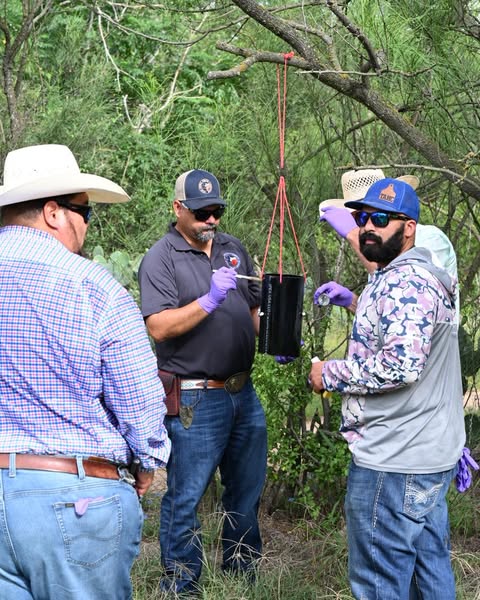
TSCRA members have worked closely with the U.S. Agriculture Department, Texas Animal Health Commission and Texas Parks and Wildlife to increase surveillance, sterilize fly production and diminish its dispersal capacity since 2023, when animal health officials first became aware of the screwworms’ northward progression from Central America after the screwworm fly had been effectively eliminated from the North American continent in the early 1970s.
Many of the pesticides used in that effort back then were banned in the United States not long afterward.
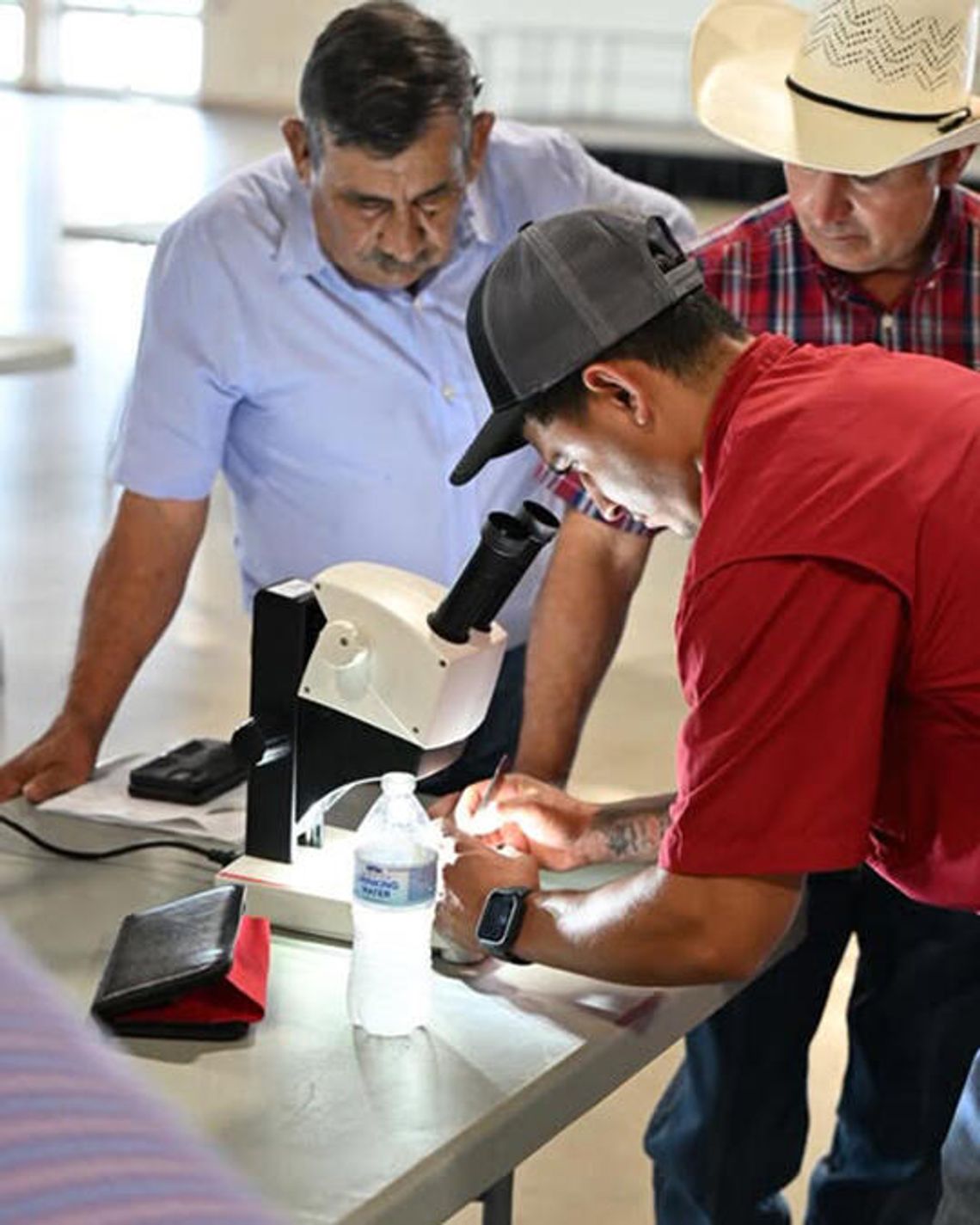
Officials established a quarantine zone in Zavala County where lab tests confirmed the detection to limit cattle movement and control the spread of the invasive pest, and multiple agencies have been trained in identification, treatment and reporting protocols to enhance preparedness.
“TAHC has been actively preparing for a resurgence of NWS for more than two years,” said Dr. Bud Dinges, state veterinarian and executive director of the state agency. “We are putting these preparations into action, and we encourage all animal owners and caretakers to remain vigilant for the presence of larvae in animal wounds and report any suspicions.”
Dinges reiterated that U.S. food supplies remain safe. USDA’S Food Safety and Inspection Service ensures that the nation’s commercial food supply of meat, poultry and egg products are safe and properly labeled.
Screwworms do not infest fruits, vegetables or other food sources, such as grains or rice. They can, however, infest most any warm-blooded animal, and are most troublesome in the larval stage, as maggots of the NWS fly, known scientifically as Cochliomyia hominivorax.
Flies lay eggs in an animal’s open wound or orifice, and those eggs hatch into dangerous parasitic larvae. While primarily a livestock concern, screwworm cases infestations can also affect pets, humans and wildlife populations such as birds and deer.
Despite assurances from agency forces on the ground, Texas Agriculture Commissioner Sid Miller was still critical of existing gameplans and called on the Trump administration to throw every available resource at halting the screwworm once and for all.
“For months, the screwworm has advanced rapidly through Mexico,” he said. “Even though billions of sterile flies have been dispersed by the USDA, the screwworm has still advanced more than 1,100 miles from Southern Mexico to Texas. Now, it seems, the consequences of those decisions are staring us in the face.”
Miller called on President Trump to take immediate action and lift any bureaucratic barriers existing to initiate widespread pesticide usage in impacted areas immediately.
Texas Gov. Greg Abbott was planning a press conference on the issue as this story went to press.
Meanwhile, members of the nation’s livestock organization in Houston were set to take up the matter Saturday, the final day of their annual conference.
Diebel urged cattlemen and landowners to stay vigilant.
“We ask ranchers and landowners to regularly put eyes on their livestock and wildlife, maintain a strong relationship with their veterinarians and report suspicious wounds or infestations immediately,” he said. “Early detection, rapid response and limited animal movement when necessary remain our strongest tools for containing and eradicating New World screwworms.”