.png)


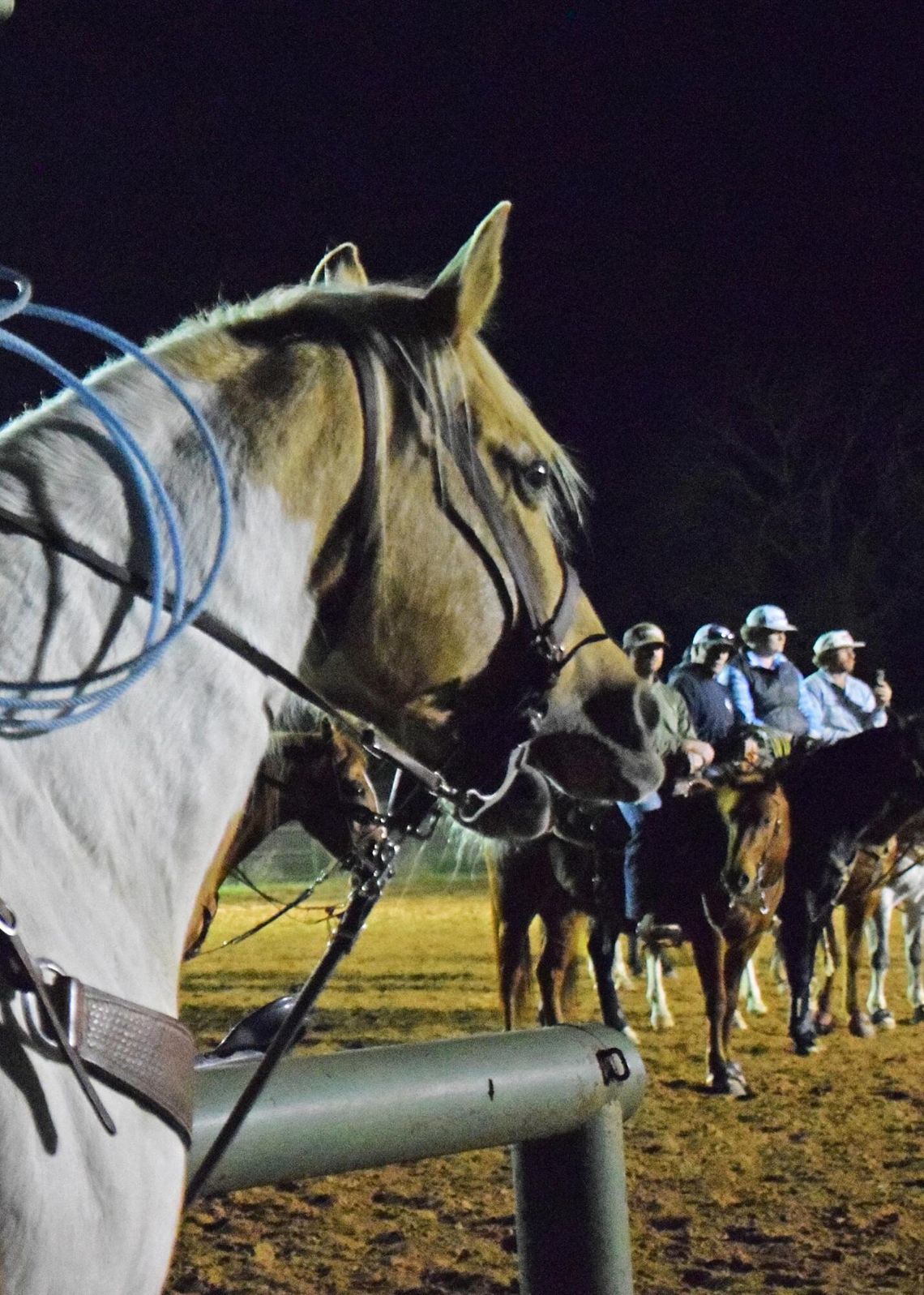
Dripping Springs Ranch Park (DSRP) announced on Nov. 20 that it will be closed to horses until Jan. 1 due to an outbreak of Equine Herpesvirus Type 1 (EHV-1) in Central Texas.
The outbreak was reported by veterinarians after the recent World Championship Barrel Racing Finals in Waco Nov 5-9.
In a letter to the community, DSRP said the closure complies with the biosecurity recommendations of the Texas Animal Health Commission.
“This extended closure is not a decision we made lightly, however, our primary goal is to help ensure the safety of all of our riders and their horses,” the DSRP letter said. “This closure includes all areas of the park including trails, outdoor arenas, fields, and indoor facilities.”
The Central Texas outbreak involves a particularly aggressive strain of EHV-1. Texas Department of Agriculture (TDA) Commissioner Sid Miller is urging all horse owners, trainers, and venue operators who attended or were in proximity to the event, or who have recently returned from any large equine gathering in the Waco region in the last 14 days, to act swiftly, monitor their animals carefully, and implement heightened biosecurity measures.
“This virus can spread fast, it can be deadly, and the earliest signs are often so subtle they’re easy to miss,” Commissioner Miller said. “That’s why monitoring your horses right now is critical. The quicker we identify a potential case, the better chance we have to protect not only our animals, but the entire Texas equine community.”
While investigations are ongoing, the TDA believes the situation warrants immediate attention, given the rapid spread and severe outcomes in affected horses.
Those who should act immediately are those who:
• Have a horse that was present at the WPRA event in the Waco area or transported one to/from that event.
• Have a horse that has mingled with those transported from that event.
• Any horse owner or facility operator who has recently participated in large multi–barn gatherings, roping jackpots, or traveled extensively enough to include the Waco region.
Clinical signs of EHV-1 can vary widely, and may include:
• Fever.
• Nasal discharge, coughing, or other respiratory changes.
• Depression or lethargy.
• Neurological signs: stumbling or incoordination, loss of tail tone, hind-limb weakness, head tilt, recumbency.
• Abortions in pregnant mares.
The EHV-1 virus spreads quickly and efficiently, making early precautions essential. Horses can transmit the virus directly through simple nose-to-nose contact, and infected animals may also release contagious aerosolized particles when they cough or sneeze. Indirect transmission is equally dangerous, as shared tack, grooming tools, water and feed buckets, thermometers, and other equipment can all carry the virus from one horse to another. Even humans can unintentionally act as mechanical carriers, spreading the virus on their hands, clothing, or boots.
“I’m asking every local horse rider, roper, trainer, and breeder to do their part today,” Commissioner Miller added. “Check your horses twice a day, isolate any exposed animals, tighten up your biosecurity, and call your vet the moment something looks off.”
The TDA recommends the following immediate steps:
• Isolate any horse that attended the Waco event for at least 14 days from other equines, or until cleared by a veterinarian.
• Suspend hauling, showing, or mixing horses from the exposure group until further notice. Avoid taking exposed horses to other barns or events.
• Disinfect trailers, wash-racks, cross-ties, tie-areas, tack rooms, buckets, grooming tools, and any shared equipment. Use an appropriate virucidal disinfectant.
• Avoid sharing tack, halters, grooming equipment, buckets, water hoses, etc., between exposed and unexposed horses.
• Monitor temperatures twice daily for all exposed horses and report any fever (≥101.5 °F) or other signs to a veterinarian immediately.
• If any horse exhibits neurologic signs, coughing, or nasal discharge, isolate it immediately, wear protective gear, and call your veterinarian.
• Keep accurate records: track which horses were present at events, their movement, and who handled them for contact tracing if needed.
• Stay in contact with your local veterinarian and keep up to date on updates from state veterinary authorities.
For questions regarding suspected cases or animal health, please contact the Texas Animal Health Commission at 512-719-0700.